
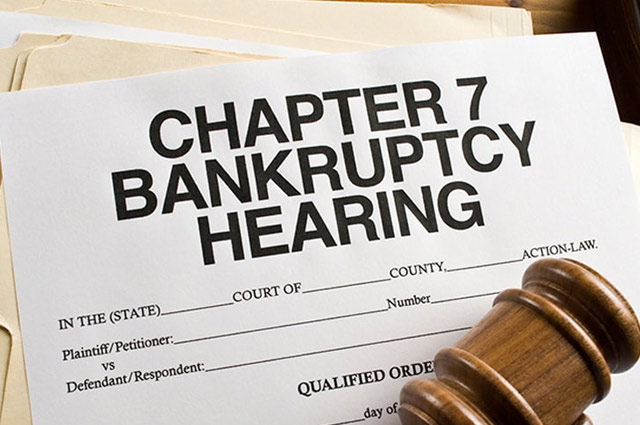
Understanding the difference between Chapter 7 and Chapter 13 bankruptcy can feel overwhelming during financial hardship, but knowing your options is the first step toward relief. Both types of bankruptcy offer different paths to debt relief, depending on your unique circumstances.
Feel Overwhelming During Financial Hardship
During Financial Hardship an Attorney Can Help
Chapter 7 bankruptcy, often called “liquidation bankruptcy,” is primarily designed for individuals or businesses facing severe financial insolvency. This process allows you to eliminate most unsecured debts, like credit cards and medical bills, typically by selling non-essential assets. It’s a quicker process—usually completed within a few months—but it may require giving up certain property. Declaring bankruptcy under Chapter 7 can have serious consequences for your credit score, but it also provides significant fresh-start protection if repaying debts has become impossible.
Chapter 13 bankruptcy works differently. Often referred to as a “reorganization” or “restructuring” bankruptcy, this process enables individuals with regular income to keep their property and pay back debts over three to five years according to a court-approved repayment plan. For those who wish to avoid liquidation and are capable of maintaining structured payments, Chapter 13 may be more appropriate. This route offers another form of bankruptcy protection while providing the opportunity for rebuilding credit after bankruptcy.
Whether filing for personal or business bankruptcy, consulting with an experienced bankruptcy lawyer is crucial. Every situation is unique—a knowledgeable attorney will explain all debt relief options, including possible alternatives so you can avoid unnecessary filings when possible. Understanding both types of bankruptcy helps you make empowered decisions about restructuring debt and rebuilding after periods of financial insecurity.
Remember that alternatives exist: careful budgeting or debt consolidation may help prevent declaring personal or business bankruptcy altogether. However daunting the process might seem right now, there are supportive legal resources ready to help you regain stability—and hope—for your future financial journey.
You Could Be Debt Free In As Little As 3 Months!
During financial hardship C. Stephen Gurdin Jr. is an experienced Northeastern Pennsylvania (NEPA) attorney who provides quality legal services to individuals, corporations and other entities in the area. With more than 20 years of experience as a bankruptcy attorney, he is well-versed in all aspects of bankruptcy law and has successfully represented clients in both federal and state courts throughout NEPA. He also specializes in personal injury law, business formation and corporate law.
YouTube …