
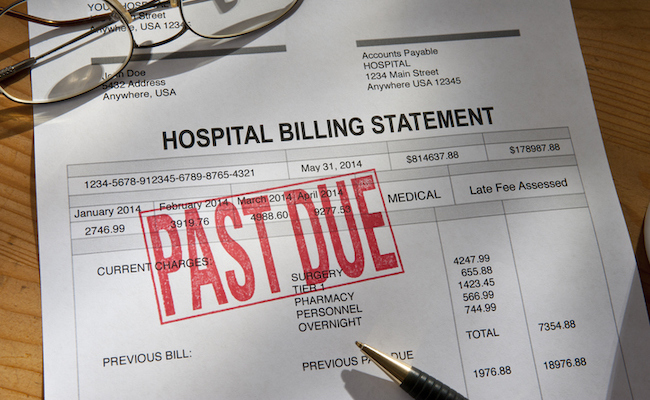
Before contacting the bankruptcy attorney at Gurdin Law, take the time to organize your financial information will make the bankruptcy process smoother, faster, and less stressful. Whether you are considering personal bankruptcy or business bankruptcy, having a clear picture of your finances helps Gurdin Law evaluate your situation, explain your debt relief options, and determine whether declaring bankruptcy is truly the best path—or whether bankruptcy alternatives might better fit your needs.
Before Contacting a Pennsylvania Bankruptcy Attorney
Before Contacting Gurdin Law, start by gathering your recent tax returns for the past 2–3 years. These documents give your attorney and the court a reliable overview of your income history, which is crucial for determining which types of bankruptcy you may qualify for, such as Chapter 7, Chapter 11, or Chapter 13. Next, collect at least six months of pay stubs (or income records if you are self-employed) and two months of bank statements. These records help show your current income, cash flow, and spending patterns, which are essential for evaluating your financial hardship and for restructuring debt under a repayment plan, especially in Chapter 13 bankruptcy or Chapter 11 cases.

You should also prepare a complete list of all debts and creditors, including credit cards, medical bills, personal loans, tax debts, judgments, and any other obligations. This list allows us to assess your total financial insolvency, explain the consequences of bankruptcy, and identify which debts may be discharged and which may not. Alongside this, create a detailed list of your assets—such as real estate, vehicles, bank accounts, retirement accounts, valuable personal property, and business interests. This information is critical in Chapter 7 bankruptcy, where non-exempt assets may be sold, and in other types of bankruptcy where assets affect how your repayment plan is structured and how bankruptcy protection will apply.
An overview of your monthly expenses is equally important. Include housing, utilities, food, transportation, insurance, child support, medical costs, and any other regular bills. This budget helps your attorney determine whether you can realistically afford a repayment plan or whether a liquidation-type filing for bankruptcy is more appropriate. It also guides discussions about how to avoid bankruptcy if possible, or how to minimize the impact on your day-to-day life if you proceed.
Before Contacting Gurdin Law
You must bring a valid photo ID and your Social Security Number (SSN) card to your meeting. These are required for identity verification and for filing documents with the court. Without proper identification, your case can be delayed or even dismissed.

By assembling these documents in advance, you give your bankruptcy attorney the tools needed to provide accurate legal advice for bankruptcy, explain your bankruptcy protection rights, and help you understand what to expect for your credit score after bankruptcy. A knowledgeable attorney can also outline realistic strategies for rebuilding credit after bankruptcy and discuss long-term ways to stabilize your finances.
At Gurdin Law, Attorney C. Stephen Gurdin Jr. serves individuals and businesses in the Wilkes-Barre, Scranton, Hazelton areas and throughout NEPA from his Law Office as a Pennsylvania Attorney focused on bankruptcy and debt relief. Whether you are exploring Chapter 7, Chapter 11, or Chapter 13, coming prepared with this information allows your attorney to quickly evaluate your situation, compare bankruptcy alternatives, and guide you toward the most appropriate form of debt relief for your circumstances.
The Bankruptcy Documents you’ll need are the same whether you are filing a Chapter 7 bankruptcy or Chapter 13 matter, with slight variations.
Bankruptcy
Documents Needed to File for Bankruptcy …
 |
|
|
Please Bring The Following Documents To Your Consultation:
- Your driver’s license and Social Security card.
- Consecutive wage statements or other evidence of income if you do not receive wage statements (pay stubs) for the last 6 months.
- If you don’t have them, your employer can provide you with copies or a printout showing gross pay and all deductions.
- A copy of your tax returns for the past 4 years.
- All of your bills and dunning letters (please bring the most recent copies only) and a list of all persons or companies you owe them to, even relatives and friends.
- Copies of mortgage and car loan statements, even if you want to keep these.
- Your utility bills for the last 90 days.
- Bank statements for the last 6 months.
- Upload Your Files Here After Talking With Us …

Get Directions
The documents you’ll need are the same whether you are filing a Chapter 7 bankruptcy or Chapter 13 matter, with slight variations. However, for exact documentation requirements, be sure to call our office first. Not only do some trustees require more proof than others, but the particular evidence you’ll have to produce will also be determined by the facts of your case. If you have other circumstances affecting your bankruptcy, such as being required to pay alimony, child support, or another unusual expense, you’ll need to show proof of these costs. For instance, it’s common to provide a copy of a child support order. If you’ve divorced recently, you might need to produce an order or marital settlement agreement documenting a property distribution.
Choosing an attorney involves more than proximity—it’s about finding someone who will stand by you with unwavering support and expert legal insights at each step toward financial relief. With Gurdin Law’s profound understanding of both national laws and local economic conditions, clients receive not just representation but genuine advocacy towards reclaiming fiscal stability.
You Could Be Debt Free In As Little As Three Months!